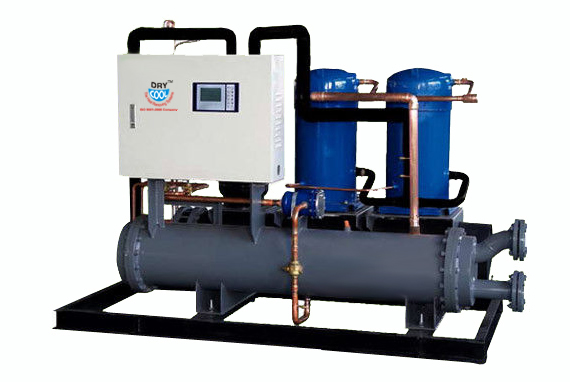
we manufacture chiller for PVD Coating & Our chiller is an essential component in many PVD (Physical Vapor Deposition) coating processes. PVD is a thin film deposition technique used to create coatings on various materials for purposes such as improving wear resistance, enhancing appearance, or altering surface properties. The chiller plays a crucial role in maintaining the stability and efficiency of the PVD coating system.


H
ere’s how a chiller is typically used in a PVD coating setup:
Temperature Control: PVD processes often involve the generation of heat due to the vaporization of source materials and the ionization of gases in the vacuum chamber. Excessive heat can lead to inconsistent coating quality and other process issues. we are one of the best chiller supplier for PVD Coating. A chiller helps regulate the temperature by circulating a cooling fluid (usually water or a water-glycol mixture) through the process equipment and vacuum chamber. This ensures that the temperature remains within the desired range, promoting stable and repeatable coating results.
Cooling Magnetrons and Cathodes: In PVD coating systems, magnetrons and cathodes are commonly used to sputter or evaporate the coating material. These components can become quite hot during operation, potentially affecting the quality of the deposition and the overall system reliability. we provide chiller for PVD Coating & Our Chillers help dissipate the heat generated by these components, preventing overheating and maintaining their performance.
Gas Flow Control: Some PVD processes involve introducing reactive gases into the vacuum chamber, which can lead to chemical reactions that generate heat. A chiller aids in controlling the temperature rise caused by these reactions, ensuring that the process remains stable and predictable.
Condensation Control: In certain PVD processes, the vaporized coating material needs to condense onto the substrate to form a thin film. A chiller helps maintain a controlled environment by preventing unwanted condensation on surfaces other than the substrate, which could lead to inconsistent coating thickness and quality.
When selecting a chiller for a PVD coating application, consider factors such as the heat load generated by the process, the type of cooling fluid required, temperature control precision, and compatibility with the vacuum system. It’s essential to choose a chiller with adequate cooling capacity to handle the specific requirements of your PVD process and equipment.
Keep in mind that technology and equipment specifications may have evolved since my last update in September 2021, so I recommend consulting with experts or manufacturers in the field of PVD coating for the most up-to-date information and recommendations regarding chillers for PVD applications. if you required any type of chiller for PVD Coating then please contact us